What first piqued your interest in veterinary medicine?
I attended Cornell and did a general curriculum in veterinary medicine; it wasn’t until I became a senior that I started to see my interests moving towards internal medicine and specifically Cardiology at the time. This was also around the time of trips to the moon so there was a lot of excitement and a great deal of scientific interest in the medical profession (human and animal).
Describe the process of becoming a charter diplomate and member of the ACVIM in 1972.
Drs. Kirk, Jackson, Thornton, Low, Radostitis, Amstutz, myself and a few others, had been talking about starting a specialty college. I remember sitting in my living room in Berkeley and discussing the role of the ACVIM and the umbrella college, which I think in the end has become a very important role. It was by working together with the different specialties that we were able to move on successfully. Our goal at the time was not to really spread what was new in the profession, but to bring on people who were going to be helpful and influential [in veterinary treatments].
What are some of your achievements during your time as the president of Cardiology (1974-1978) in the ACVIM?
In the beginning, I was just really focused on helping the organization grow. The ACVIM was a small organization at the time and we were meeting with the American college of cardiology (human) who were very generous with their time. Those were really important and exciting times working alongside our human counterparts in Cardiology.
The differences in veterinary medicine and specialty medicine from 50 years ago to today are enormous. With the ACVIM growth has also come the growth of veterinary specialists, it's an incredible change. I believe that it was the individuals, in the early days, who were busy lecturing and educating the public over the benefits of veterinary specialty medicine that allowed us to grow rapidly and successfully. And as we grew, the ACVIM also grew. I think that anyone writing a story on history of vet med would say that these last 50 years have been the area of greatest growth.
What advice do you have for aspiring leaders in veterinary specialty medicine?
Participation in the ACVIM is critical to the growth of the organization. We need everyone to be involved. It can be by giving lectures, by participating in their state associations, and national meetings. What we offer most of all is the ability to have a one-on-one relationship with practicing veterinarians. The relationship between specialty veterinarians and general veterinarians is important. There are so many reasons why patients are referred. We need more cooperation and participation if we are going to succeed. From a professional point of view, we need to recognize that most veterinarians are interested in medicine. Most people at the ACVIM are interested in organization. And we need to work together. The organization is big enough at this point that it can’t be run by veterinarians.
Describe your involvement with the One Health movement. What are some of the similarities that you have found between human and veterinary medicine?
I think the One Health movement is an obvious answer to how we can move and grow the veterinary profession. Take Covid for example, and all of the different diseases and think of the way that these diseases can be prevented. This is an area that human doctors and veterinary professionals should be collaborating on. There is a connection between diseases and medicine so working together as a team is important.
...
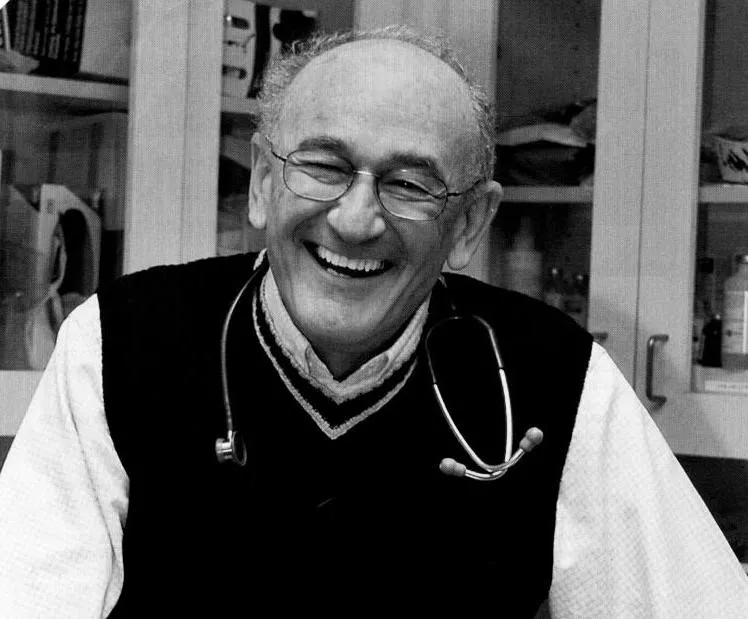
Dr. Ettinger was awarded the inaugural ACVIM Specialty Lifetime Achievement Award in 2021 for his contributions to the ACVIM and his dedication to educating the public on the importance of veterinary specialty medicine. Through his clinical research studies, numerous publications and his recent involvement with the One Health movement, Dr. Ettinger continues to pour his expertise and wisdom into the veterinary field.