What inspired you to become a Board-certified veterinary specialist?
In the early, star-eyed days, I wanted to work with marine mammals and zoo medicine, but as I took note of what I was enjoying in my different experiences, I found I was fascinated most by the nutrition components, so as a vet student, I started on a path to focus on nutrition and aim for a nutrition residency. Little did I know where the journey would take me.
Are there any resources or pieces of advice that helped you along the way? Is there any advice you would specifically give to aspiring Diplomates?
Stay open and curious! You never know what possibilities are out there. Don’t be afraid to try something new and different. Build good relationships – this takes intention and effort. Success will come from more than head-down work. Talk to people, ask them about their own journeys, and care about them.
Don’t chase a title; chase the work you can do with the title. Specialty training can be rewarding but also demanding; the credential alone won’t sustain your happiness. Understand your “whys" behind the pursuit of a certain goal. Make sure it’s not just for a title or to impress others.
No two career paths look the same, and they are rarely completely linear. Growth and meaning are often found off the “official” track. And the relationships you build along the way will be the most rewarding, so be intentional about them. Don’t be afraid to ask questions or try something different. The best things are often beyond what we can see today.
What does a typical workday look like for you?
Unpredictability: that’s my typical. I currently work for a start-up company that is close to launch. I wear a lot of hats and get pulled to whatever the shifting urgency is in the moment. I work from home most days, but we have an office that is a commute away. My work can range from sharing my specialist opinion and perspective, to doing calculations, to creating content or communication materials, to talking with current or potential partners.
What do you consider one of your career successes? How did you achieve it?
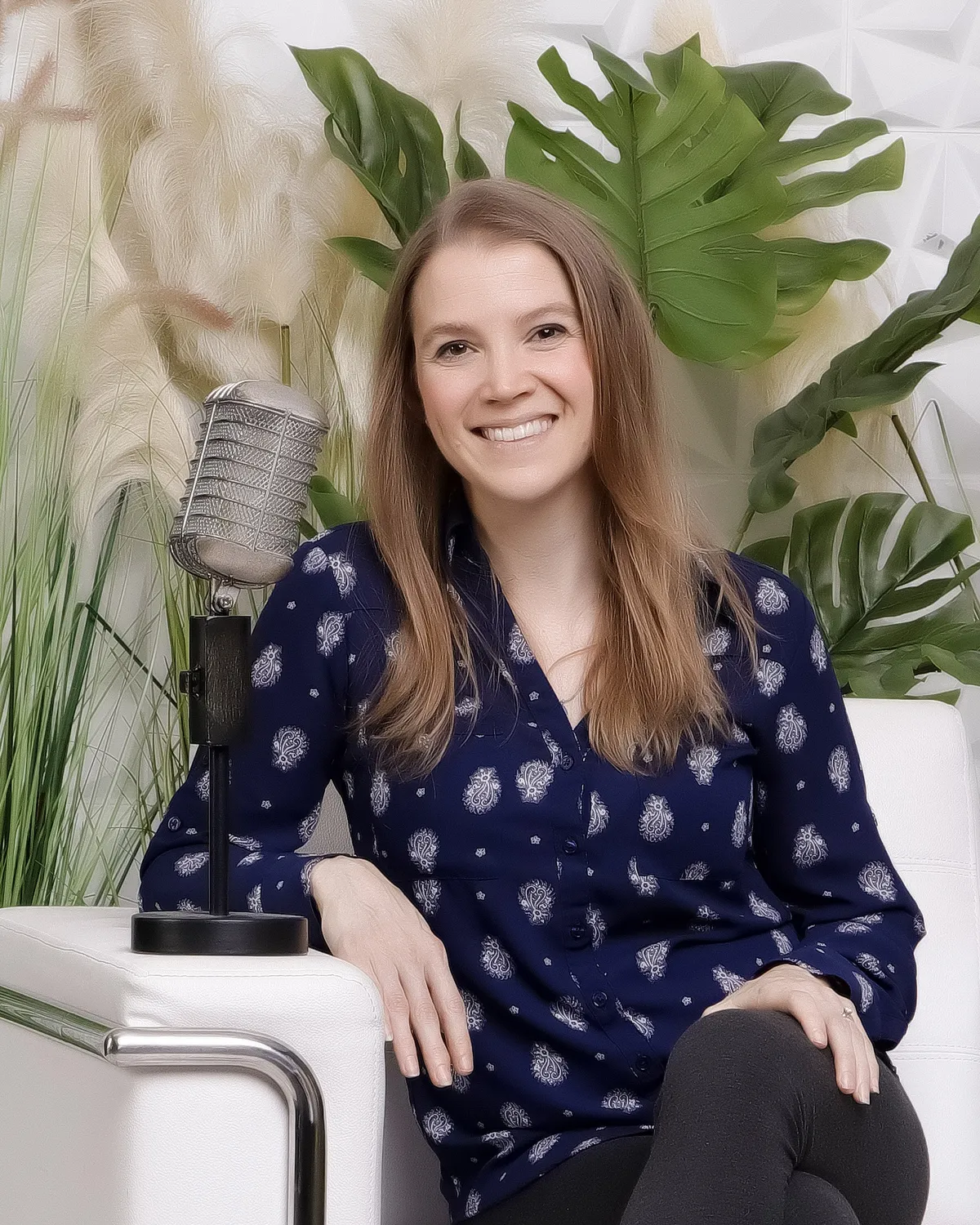
I think one of my biggest career successes was having someone think of me for a role. This has actually happened a couple of times. This comes from building relationships, sharing your ideas, interests and passions thoughtfully, and being remembered for something. There’s a lot that goes into building relationships, but I give a lot of credit to building Vet Life Reimagined. VLR is a podcast, but it’s also become a brand – showing up consistently, building trust, and building connection. I feel my true career success is not the job role, it is the fond human connections.
What do you consider a challenge you’ve faced in your career? How did you overcome it? Becoming boarded was a huge challenge. My time as a resident was in the middle of a lot of challenges and changes in the nutrition college. I overcame it by understanding (1) what could I control, and (2) what was most important to me in the end. I continued to participate – I have been part of the AAVN Executive Board since immediately after my residency in 2017, I continued to learn and stay close to mentors in the area. Eventually, changes moved forward, I was able to be eligible to sit for the board exam, and pass.
What impact has the ACVIM had in shaping your career?
A Diplomate title and recognition can open up more job opportunities, but regarding ACVIM specifically, ACVIM is a new relationship for nutrition specialists. I’ve been very impressed by how much ACVIM does for members – how much they ask and listen and try to constantly work to do more for the specialists. I’m excited to continue to participate and support their efforts.
Since becoming a Diplomate, how has your perspective as a veterinarian changed?
I became an official Diplomate in 2024 - quite a ways from finishing my residency in 2017. It required patience, a little fight, and a lot of humility. Along the way, I continued to work toward the things I enjoyed. I don’t think I did things differently, but earning the title has reaffirmed something important for me: expertise is less about certainty and more about structured reasoning under uncertainty.
They say the more you know, the more you realize how much there still is to learn - and that perspective matters. No one has all the answers, and everyone has something to contribute. Becoming a Diplomate has reminded me that expertise is most powerful when it’s shared, grounded in humility, and used to strengthen the relationships at the heart of veterinary care.
I also see how crucial it is that we continue to communicate with one another - among specialists, with primary care veterinarians, and with owners - to truly understand each situation and, together, develop solutions that support both people and their animals. These solutions don’t have to be earth-shattering. Sometimes it’s the “small” changes in diet, communication, or expectations that have the greatest impact. I have even more respect for general practitioners, and I hope specialists can serve as true partners in care rather than siloed consultants.
Finally, what is something unique about your career, or career path?
I consider my career path quite nontraditional. Everything from starting a career path in industry right after my residency, and I have continued to present both a clinical perspective as well as an understanding of the complexity behind products. But one of my proudest accomplishments is also creating a podcast, Vet Life Reimagined, that is almost four years old now. It’s crossed the 200 episode mark, which represents 200 conversations with veterinary professionals across veterinary medicine: specialists, general practitioners, full-time entrepreneurs – sometimes all three at some point in their careers. The relationships I have built and all the unique perspectives I’ve been able to hear and appreciate keep me enthusiastic about the future of our field.